Two Pony Gardens
We write from a practical point of view about an RSVP-only pizza night at a small farm west of the Twin Cities. Visitors park on grass, walk toward an outdoor wood-fired brick oven, and settle in for a slow, social evening that feels part meal and part backyard hang.
Our guide explains why this pizza night is worth planning for when we want calm, space, and a change from a typical restaurant. Pizza is sold by the pie, and the setting—the trees, open land, gardens, and animals—shapes the cost and mood as much as the food.
We preview the practical details we’ll cover: how to reserve, arrival tips, what to bring, wait expectations, and how to size orders. This is an informational overview based on reported details and a farm interview, with clear signposts so readers can jump to logistics, menu, or the people behind the operation.
Why we keep coming back to the calm of the tree-lined drive
Pulling off the paved road feels like a small permission to slow down. The gravel lane, shaded by mature trees, signals we are entering a quieter rhythm.
As we drive in, the first sights set the mood. A greenhouse and a neat planted garden sit close to the road. Beyond them, an open field stretches out and the wider land makes room for breath.
Then the brick oven appears—an immediate “first wow” that anchors why we came. Seeing the oven outdoors reminds us this is a farm meal built around fire and season.
- Tree-lined approach softens the commute and changes our pace.
- Parking is on grass; we plan footwear and arrival like an outdoor event.
- The calm is not an extra; it’s the core thing we pay for when we spend a day here.
We use that initial quiet to slow our time. That patience shapes how we spend the rest of the evening.
Where Two Pony Gardens is and what the setting feels like
A quick trip from Minneapolis or St. Paul brings us to Long Lake, Minnesota, where the drive west turns practical travel into a pleasant outing.
The property covers roughly 40 acres, so this is a farm experience, not a patio meal. Guests can wander fields, picnic near the farmhouse, or settle under trees for a slow, social day.
The land once belonged to the Department of Natural Resources, and old fire-pit grates remain as reminders of past public use. That history helps explain the place’s open, community-minded feel.
Basic amenities include access to the farmhouse for eating and restrooms during events. Seating is spread out, so arriving early rewards groups who want room to roam.
- Short drive from the Twin Cities—easy for a day trip.
- 40-acre layout with picnic-friendly spots and meadows.
- Community-focused evolution over the years keeps the vibe relaxed.
| Feature | What to expect | Why it matters |
|---|---|---|
| Location | Long Lake, MN — west of Minneapolis/St. Paul | Quick drive makes it a doable day outing |
| Size | 40 acres | Space for walking, picnics, and spread-out seating |
| History & amenities | Former DNR land, fire-pit grates, farmhouse access | Signals public-rooted use and basic comforts on site |
How pizza nights at Two Pony Gardens work right now
This is a deliberate outing: limited dates, reserved slots, and an oven that sets the pace. We RSVP in advance because the farm runs roughly ten event nights each season. That calendar is small by design.

Reservations and event windows
Reservations are required. The host limits bookings to about 20–25 people per day.
Seatings run in two-hour windows. The last slot is usually between 5 and 7 PM.
How groups are placed and why it matters
Groups are spread across fields, porches, and picnic spots. This spacing keeps the night calm even when many attend.
Expecting a wait and how we spend that hour
With one brick oven, pies cook in batches. Expect an hour to 90 minutes between order and plate.
We walk the grounds, set our table, or nibble light snacks so the wait feels part of the experience.
Payment and service
Guests can prepay online or bring cash to pay on site. Service runs efficiently but reflects outdoor logistics and the work of batch baking.
What we eat: margherita, seasonal pizzas, and the wood-fired difference
Our meals center on just two pies so every bite feels intentional and fresh.
The always-on classic
The margherita is simple and honest: fresh mozzarella, ripe tomatoes, and basil.
We order it when we want a clear read on ingredient quality.
It’s the benchmark pie that shows how the dough and sauce truly perform.
Seasonal creativity from the farm
The second pie changes with the harvest.
Examples range from melon salsa with pancetta and sharp cheddar to sweet corn with cotija and lime sour cream.
Prosciutto is an occasional add-on.
This rotating option makes repeat visits feel new each season.
Why the outdoor oven matters
The wood-fired brick oven gives a light, crisp crust.
Pies cook fast and avoid sogginess common in home ovens.
That oven is the one thing that lifts these pizzas into destination food.
| Pie | Key ingredients | Why it works here |
|---|---|---|
| Margherita | Mozzarella, tomatoes, basil | Shows ingredient quality and dough performance |
| Seasonal | Examples: melon salsa, corn, pancetta, cotija | Reflects farm harvest and invites repeat visits |
| Oven effect | Wood-fired heat | Fast cook, crisp edge, light interior |
What to bring for a pack-in, pack-out farm dinner
Packing right turns a rustic pizza night into a relaxed, memorable outing. This event asks us to bring our own dining gear and to leave no trace.
Plates, cups, blankets, and beverages: our must-pack list
We bring reusable plates, cups, and utensils so we avoid disposable waste. Napkins, hand wipes, and a small trash bag make cleanup easy.
- Plates, cups, and utensils — sturdy and reusable.
- Blanket or low chairs and a tablecloth for a tidy surface.
- Drinks and a cooler — water, soft drinks, or something to share.
- A small snack for the wait buffer, especially with kids.
Layers and lighting for day-to-night dining in the meadow
Even on a warm day, temperatures can drop fast once the sun sets. We dress in layers and bring a light jacket or shawl to stay comfortable.
Plan for the back half of the evening. A small lantern or headlamp helps when walking to the car or restroom. Practical extras like a tablecloth, wipes, and a trash bag reduce friction and let us relax rather than work at cleanup.
| Item | Why it matters | Pack suggestion |
|---|---|---|
| Plates & cups | Allows proper eating and less waste | Melamine or sturdy compostable |
| Blanket/chairs | Comfort while waiting and eating | Foldable, easy to carry |
| Lighting & wipes | Safety and cleanup after the meal | Headlamp, battery lantern, hand wipes |
Small prep gives a big payoff: we arrive ready, enjoy the time, and leave the field as we found it.
Cost, value, and what you’re really paying for
Counting cost up front helps us plan a calm evening that doesn’t surprise the wallet.

Pizza pricing and how many pies we plan for our group
Each pizza is $18. That number feels high until we add context.
Reporters noted two pizzas feed two people comfortably. For larger groups we scale by appetite and sides we bring.
The experience beyond food: scenery, space, and unhurried time
Part of the cost buys scenery and room to roam on the farm. We pay for trees, animals, wagon rides, and the chance to linger.
If we treat the 90-minute wait as part of the outing—walks, gardens, a wagon ride—the value lands differently. That extra hour and half is often what makes the evening feel like a destination, not just a meal.
| What you pay for | Practical anchor | How to plan |
|---|---|---|
| Pie price | $18 per pizza | Estimate two pizzas for two people; add one per extra two diners |
| Experience value | Scenery, space, activities | Factor this as an occasional splurge, not weekly takeout |
| Wait management | ~90 minutes between batches | Bring snacks, walk the fields, or book group activities |
Decide by budgeting the pie cost plus the opportunity cost. If we want a relaxed outing and unique surroundings, the price often feels fair. If we need quick, cheap food, this is not the match.
Meeting the people behind the farm and pizza nights
Behind the oven and the picnic blankets are three people who keep the whole evening moving. Their steady presence is why the place feels personal and well run.
Lisa Ringer: owner and master gardener
Lisa tends the land year after year. Her careful gardens shape the menu and the farm’s calm character.
Siri Knutson: lead for pizza nights
Siri runs the service and times orders so baking flows. The pizza-night idea began in 2009 as a harvest meal with Daniel Klein and Knutson.
Katherine Price: farm manager and soil specialist
Katherine handles event logistics, soil care, and daily operations. Her planning turns simple moments into smooth public nights.
| Person | Key role | Why it matters |
|---|---|---|
| Lisa Ringer | Owner, gardening lead | Maintains crops and the look that guests notice |
| Siri Knutson | Pizza night lead | Coordinates timing, orders, and on-site service |
| Katherine Price | Farm manager, soil specialist | Prepares fields, plans events, supports operations |
Morning chores, night work: what farm life looks like here
Our day begins early and finishes late. The visible calm of a pizza night hides steady, essential labor.
Feeding routines and caring for an aging pony
We care for one pony, Aku, who is 30 years old. He eats soaked pelletized timothy hay several times a day.
The soaked hay becomes a soft “mush”—like oatmeal—to help him chew without teeth. That routine is quiet, frequent, and nonnegotiable.
Farming by headlamp: bouquets at midnight and prep before service
Work does not stop at sunset. Lisa has been in the dahlia beds by headlamp until midnight to make bouquets.
Early mornings bring oven fires and final prep before guests arrive. These shifts bookend the public hours.
- Animal care sets strict timing for feeding and turnout.
- Late-night floral work supports the farm’s seasonal displays.
- Early oven work ensures pizzas run on time the next day.
| Task | When | Why it matters |
|---|---|---|
| Feeding Aku | Multiple times per day | Keeps a 30-year-old pony healthy |
| Dahlia bouquets | Late night | Fresh arrangements for guests and markets |
| Oven prep | Before service | Ensures consistent bake and timing |
Understanding this schedule changes how we experience a visit. What seems effortless to us is the result of steady work done across day and night.
Dahlias, tomatoes, and what’s in season on the farm
Summer here reads like a layered calendar: blooms first, then fruit, then the late push to store what will carry us through winter. Knowing what’s truly in season explains why some toppings show up on the seasonal pizza and others do not.
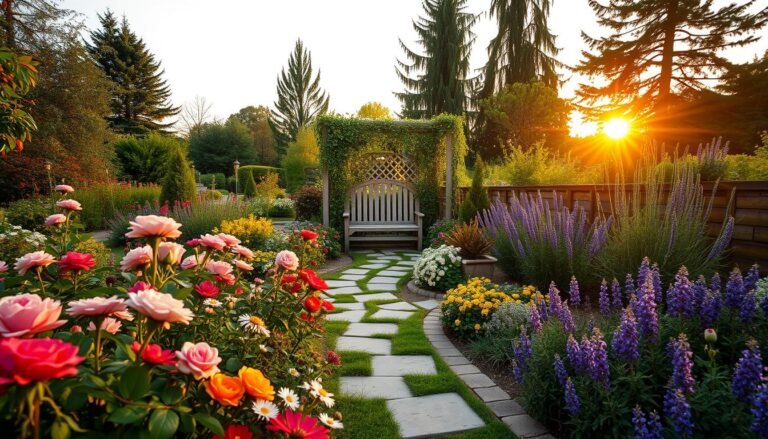
Hundreds of dahlias grow in both display garden beds and a production field near the greenhouse. The demo areas are arranged for wandering and photos. The production field supplies stems for bouquets and markets.

Heirloom tomatoes and the sauce mindset
Heirloom tomatoes are central to our menu. We make different sauce batches to match each pie’s character. Some pies use a bright, fresh sauce. Others get a slow-reduced blend for deeper notes.
Organic practices without certification
We follow organic-minded practices even without formal certification. Small-scale farming decisions—compost, crop rotation, and minimal sprays—reflect high standards while avoiding paperwork costs.
When the season is tough
Weather swings, pests, and herbicide drift can cut yields fast. Tomatoes are especially sensitive, so a bad week can change what’s available for pie toppings.
How tubers overwinter
Dahlia tubers are dug, washed, and divided each fall. We store them in bags with sawdust and a touch of cinnamon, keeping them near 45°F to avoid rot. That care is why the display returns year after year.
| Crop | Where grown | Impact on menu |
|---|---|---|
| Dahlias | Display garden & production field | Blooms for wandering and bouquet sales |
| Heirloom tomatoes | Greenhouse and field beds | Multiple sauce batches; drives seasonal pies |
| Overwintering tubers | Cold storage (~45°F) | Ensures blooms in following years |
Animals we’ll likely see while we wander
On a visit like this, animals are active parts of our evening, not just scenery. They help set pace and mood as we move through the fields and beds.
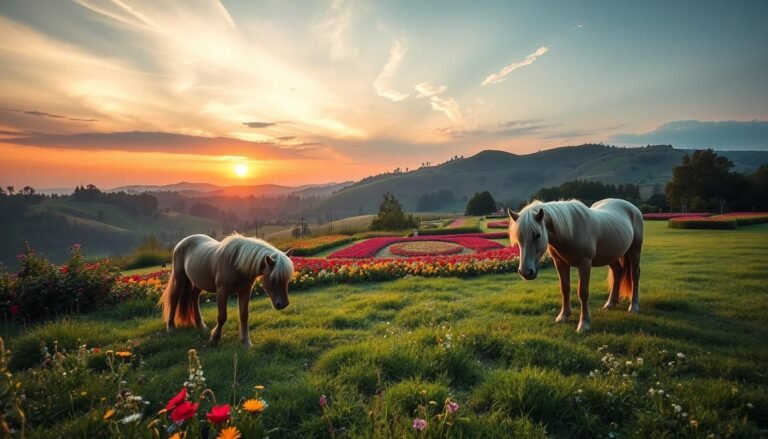
The two ponies and working horses
Harriet and Aku are the named ponies we usually spot. Aku is one pony with special feeding needs; he eats soaked timothy pellets to stay comfortable.
Shire horses handle heavy tasks—plowing, hauling ice, and logging. Their presence reminds us this is a working farm with real utility, not a staged attraction.
Chickens and eggs during events
Chickens are often confined for public nights. Health department guidance and dahlia protection mean they don’t free-range when many people visit.
Eggs from the flock mostly go to the CSA and household use rather than direct sales at pizza nights.
Geese, barn cats, and small surprises
Keep an eye out for geese like Peeps and barn cat Rocket. Those small characters make a short walk feel like a discovery.
Please respect fences and boundaries. Approach animals quietly and follow staff guidance so everyone has a safe, calm day.
| Animal | Role | Visitor note |
|---|---|---|
| Harriet & Aku | Ponies, companions | Aku requires soaked feed; view from a distance |
| Shire horses | Work: plow, haul, log | Occasionally seen in fields during prep |
| Chickens | Egg production | Confined during events to protect health and flowers |
| Geese & Rocket | Farm characters | Gentle, photo-friendly if calm; do not chase |
Planning our visit: timing, crowds, and the best ways to spend the wait
A little planning turns a long wait into a pleasant hour of wandering instead of a chore. After press attention, a typical Saturday crowd jumped from about 20–30 people to 150–180. The RSVP system still caps attendance and keeps the grounds feeling spacious.
Arriving early vs. arriving hungry
We aim to arrive early enough to orient and place an order without rushing. But we avoid coming so early that we burn energy before the pie arrives.
Bring a small snack to manage hunger during the 1 to 1.5 hour wait window. That avoids being hangry and makes the wait more social.
Ways to spend the wait
Carriage and wagon rides run most evenings. We also walk the field and spend slow loops through the dahlia garden. These options turn downtime into the best part of the outing.
Crowds, reservations, and group tips
The one-oven reality means timing matters: order early if you want to eat at a specific time. For groups, we split tasks—one person orders, another saves a spot, others supervise kids—so the wait flows smoothly.
- Plan for up to 90 minutes between order and plate.
- Use RSVP slots to secure space on busy nights.
- Bring layers, snacks, and a small blanket for comfort.
| What | Why | Tip |
|---|---|---|
| Order timing | One oven batches pies | Order early for a target time |
| Wait activities | Carriage, field, garden walks | Plan a 45–90 minute loop |
| Group setup | Saves time and stress | Assign roles: order, save spot, supervise kids |
Leaving Two Pony Gardens with more than dinner
We leave the farm carrying more than crust and toppings. At dusk we take a calmer nervous system, a slower pace, and a small mental snapshot of fields and porches.
Good food and intentional setting explain why the night works: pizza tastes better when we have room to wander and talk. The garden beds and ripe tomatoes often become the lasting images, even for people who came just for the pie.
Think seasonally: each season tweaks the view, the wait, and the menu, so returning feels new. Pack out what you pack in so the place stays welcoming. Plan another visit, bring friends, or pair the trip with a stop in Long Lake—this is one of the region’s farms that reads like a brief getaway.